

The world of e-commerce is changing rapidly, and customers are in a hurry. They want their loads to be fast, and they want to experience customized browsing and would like to browse seamlessly. The old-fashioned WooCommerce installations, unfortunately, may not be able to keep up. Enter headless commerce with a new paradigm that separates the frontend and the backend, and opens the door to rapidity, adaptability, and unlimited customization potential.
What is Headless WooCommerce?
WooCommerce platforms (and other traditional eCommerce platforms) bridge the frontend (what the customers see) with the backend (where the products, inventory, and orders are processed). This is easy to set up, yet it may restrict flexibility, performance speed, and innovation.
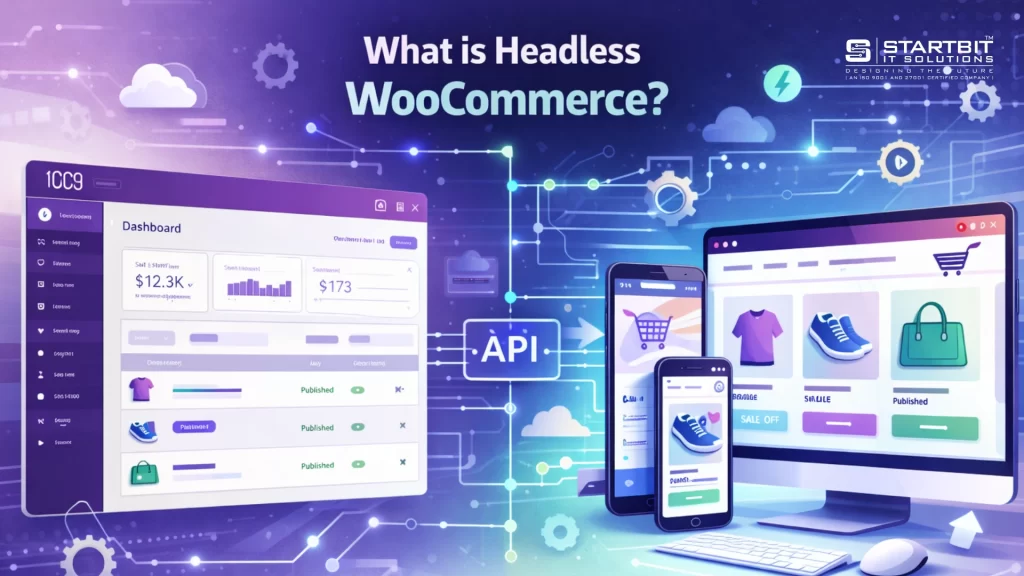
Headless commerce operates in a different way. In a headless setup:
- Frontend and backend are decoupled.
- The frontend was linked to the backend via APIs.
- Modern software such as React, Vue.js, or Next.js can be used by developers to develop their own interactive storefronts.
Headless commerce enables you to maintain the powerful WooCommerce engine but upgrade the front-end to make your shop significantly faster, more beautiful, and provide a more pleasant experience for all your customers.
The major advantages of Headless WooCommerce.
WooCommerce is among the most used platforms of e-commerce due to its flexibility and excellent integration with WordPress. Nonetheless, as customers, the burdensome, conventional arrangements reveal their restrictions as people require speedier, customized, and omnichannel interactions.
Headless WooCommerce has:
- Complete design power: build your own store to any extent that you desire without having to use canned themes.
- Improved performance of the website: load pages faster and provide customers with an easier shopping experience.
- Sell everywhere: attract buyers on websites, mobile applications, and even smart devices.
- Future-proofing configuration: add new tools and technologies without having to change your WooCommerce backend.
- Scalability: Avoid slowness in your site due to spike traffic, seasonal sales, or international growth.
Challenges to Keep in Mind
Headless WooCommerce is associated with numerous advantages, yet none of them occur without difficulties:
- Needs developer skills: a developer needs to be familiar with React, Next.js, Vue.js, or any other framework.
- More upfront costs: it may be costlier than a conventional WooCommerce installation.
- Complexity of maintenance: separate the frontend and the backend, and you will have to take your time and make frequent updates.
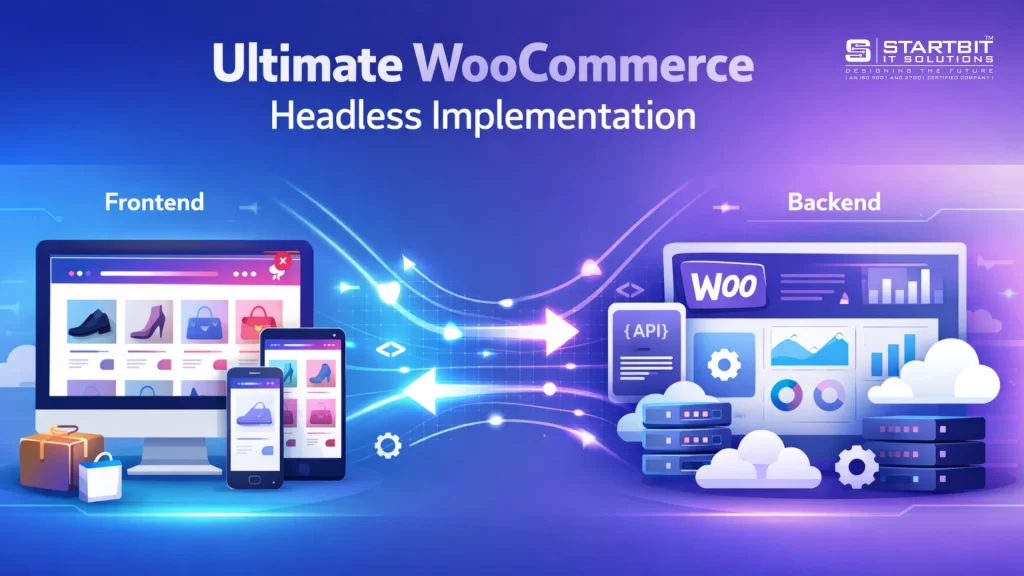
Ultimate WooCommerce Headless Implementation.
Headless WooCommerce requires the following to implement:
- REST API of WooCommerce to integrate front and back.
- Selecting a more recent frontend technology like Next.js, Nuxt.js, or Gatsby.
- Having the delivery optimized through CDNs or serverless hosting to load pages faster.
- GraphQL is a potential solution to effective data querying.
- Workflow example:
- The WooCommerce administration reveals information through the API.
- Frontend retrieves product, category, and cart information.
- Customers will deal with the store as smoothly as possible, and orders are taken up by WooCommerce.
Conclusion
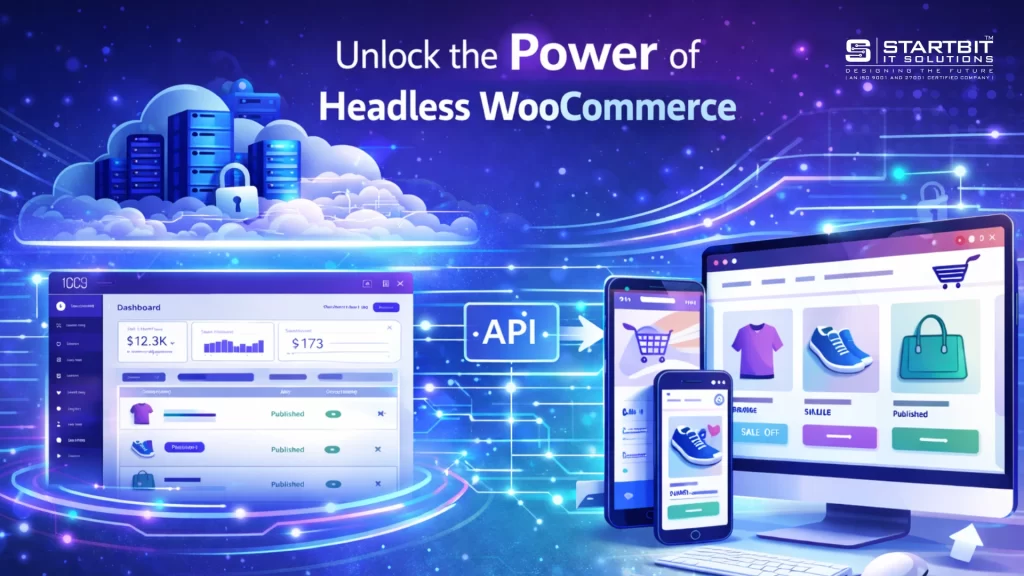
Headless WooCommerce is transforming modern eCommerce by delivering speed, flexibility, and scalable customer experiences. However, implementing and managing a headless setup requires expert planning and technical skills. Startbit IT Solutions supports businesses at every stage- from strategy and API integration to frontend development and ongoing optimization. With modern technologies and deep WooCommerce expertise, Startbit IT Solutions helps brands build fast, future-ready headless commerce solutions that drive growth and conversions.